One of the most common questions Australians ask when planning for retirement is: “How much super should I have?”
However, there is no simple answer. The amount you need depends on your salary, how much you personally contribute, your investment returns, when you plan to retire and the lifestyle you want in retirement.
As a general guide, the Association of Superannuation Funds of Australia (ASFA) estimates the following super balances for people on target for a comfortable retirement:
These figures can be useful benchmarks, but they should not be treated as personal targets. Your circumstances may mean you need more or less.
Recent Australian superannuation data also provides insight into average super balances by age and gender.
The ASFA report, released in August 2026, is based on tax data collected by the Australian Taxation Office for the 2023-24 financial year.
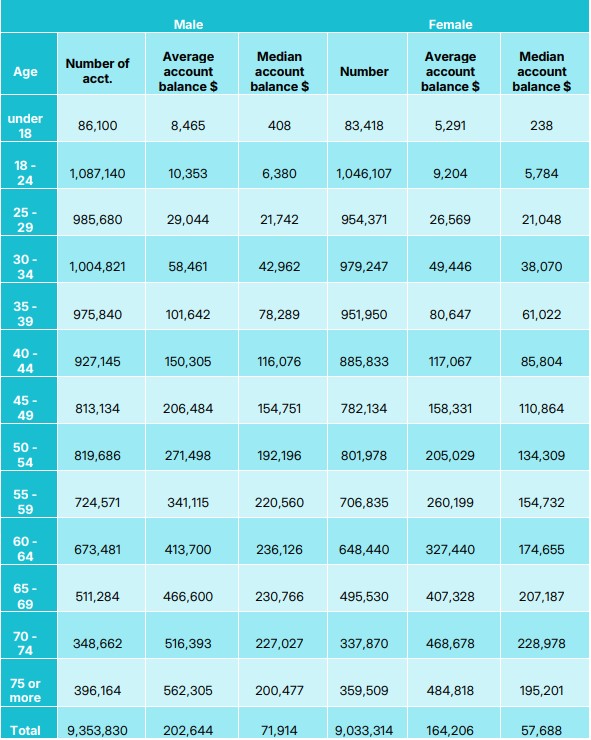
While benchmarks and averages can be a useful starting point, they only tell part of the story. The more important question is whether your current balance, future contributions and retirement timeframe are likely to support the lifestyle you want.
If your balance is below these benchmarks, there are several strategies that may help. Making additional contributions where appropriate, consolidating multiple super accounts, and reviewing your investment strategy can all make a difference over time.
The best way to understand whether your super is on track is to look beyond a simple age-based benchmark and consider your individual circumstances and retirement objectives. A financial adviser can help you model your future super balance and develop a strategy to close any potential gap.
References:
This information is general in nature and does not take into account your personal objectives, financial situation or needs. Before making decisions about your superannuation, consider whether the information is appropriate for your circumstances and seek professional advice where required.

Financial Lifestyle Partners and its advisers are Authorised Representatives of Fortnum Advice Pty Ltd.
ABN 52 634 060 709, AFSL 519190. https://fortnum.com.au
Any information on this website is general advice only and does not take into account any person's objectives, financial situation or needs. Please consider your own circumstances and consider whether the advice is right for you before making a decision.
Always obtain a Product Disclosure Statement (If applicable) to understand the full implications and risks relating to the product and consider the Statement before making any decision about whether to acquire the financial product. PrivacyPolicy